We love breaking. Cypher Town. Silverback.
We have something to announce.
Day(s)
:
Hour(s)
:
Minute(s)
:
Second(s)
Our trusted partners



Pitch deck
Get to know Cypher Town
Who we are, what we do and how you can support our community – in 9 slides.

Breaking · Hip-hop · Budapest
CYPHER
TOWN
Get to know us – and help us build the scene.
Each one, teach one.
Events
Years Experience
Projects
Competitors in 2025 and 2026
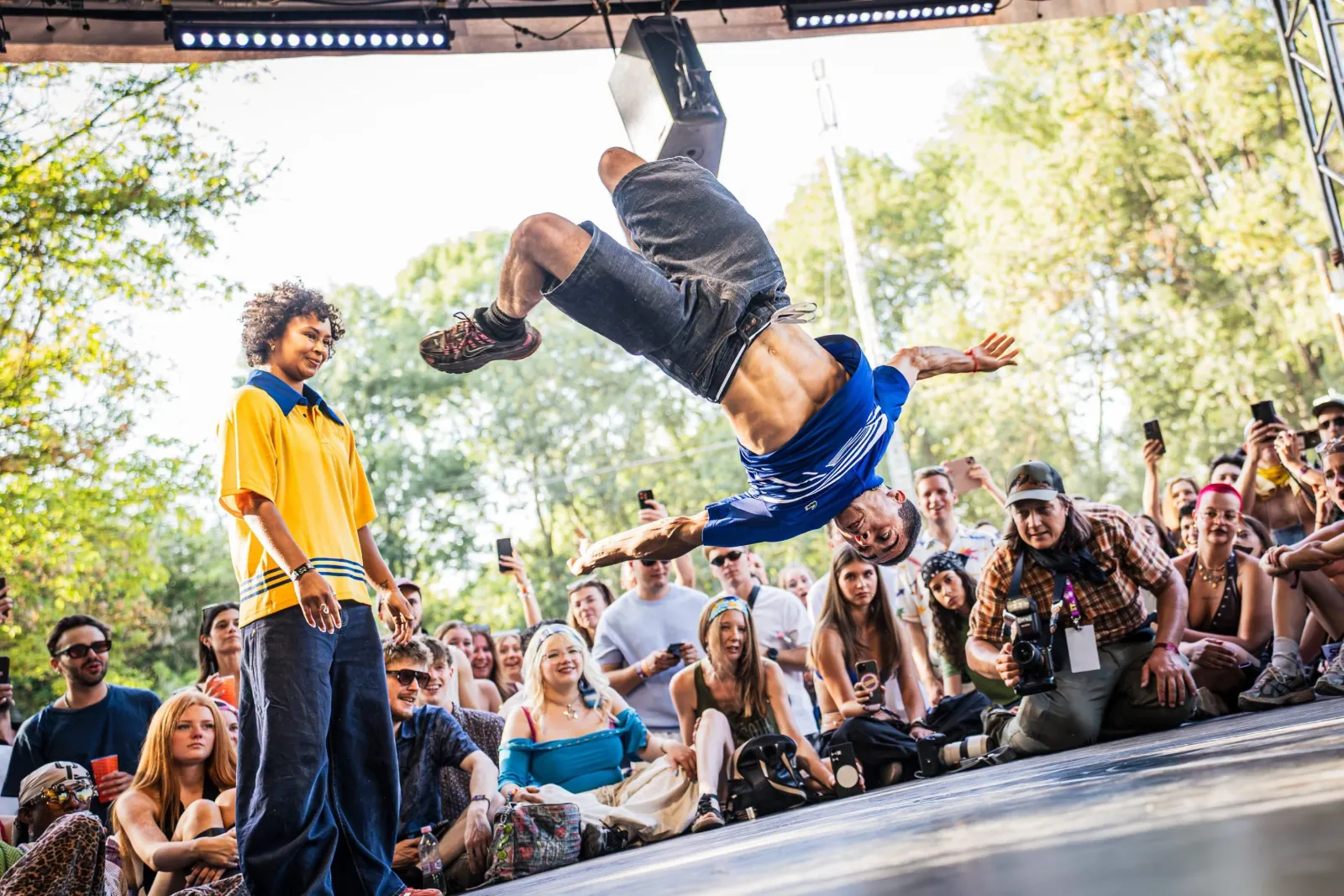
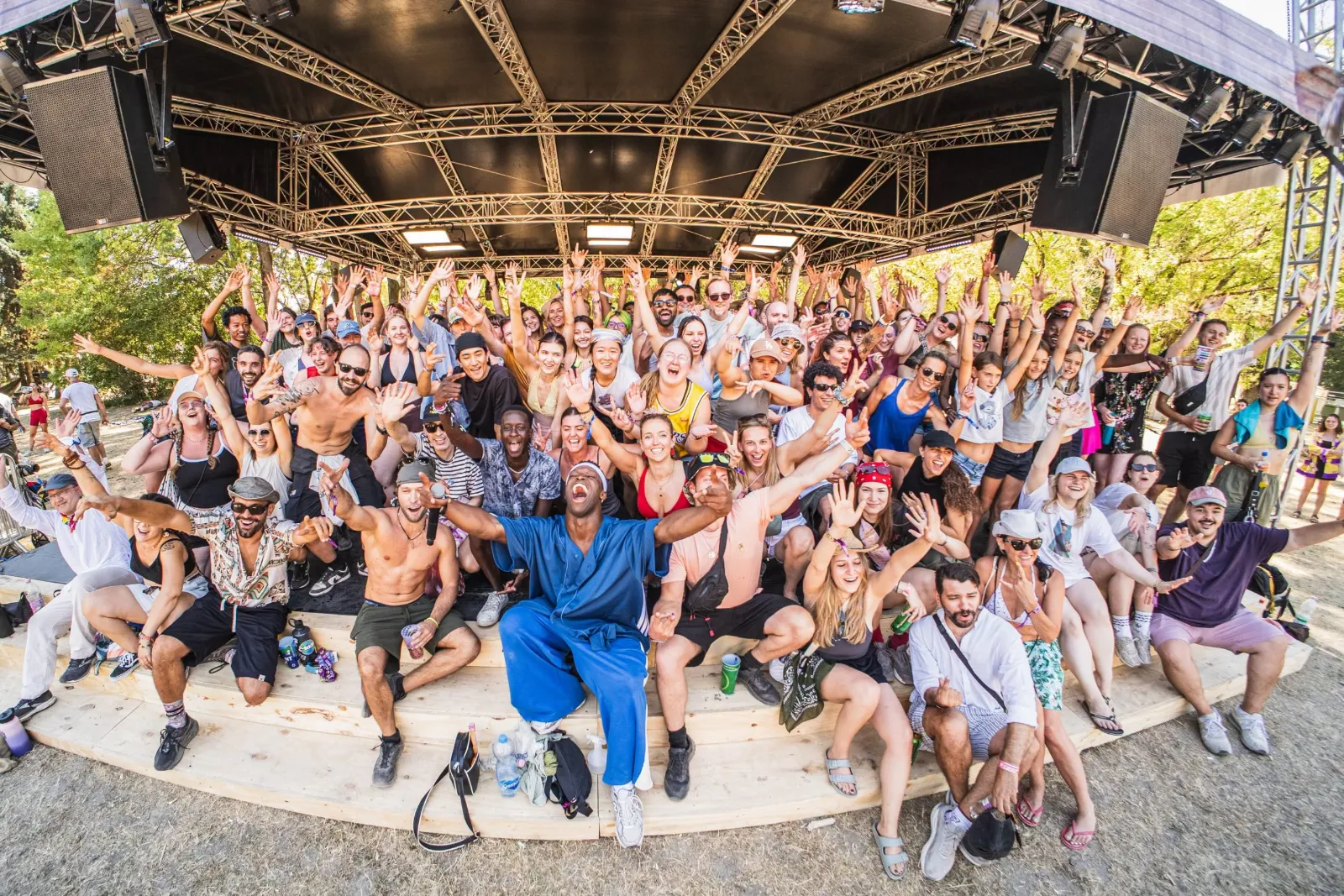

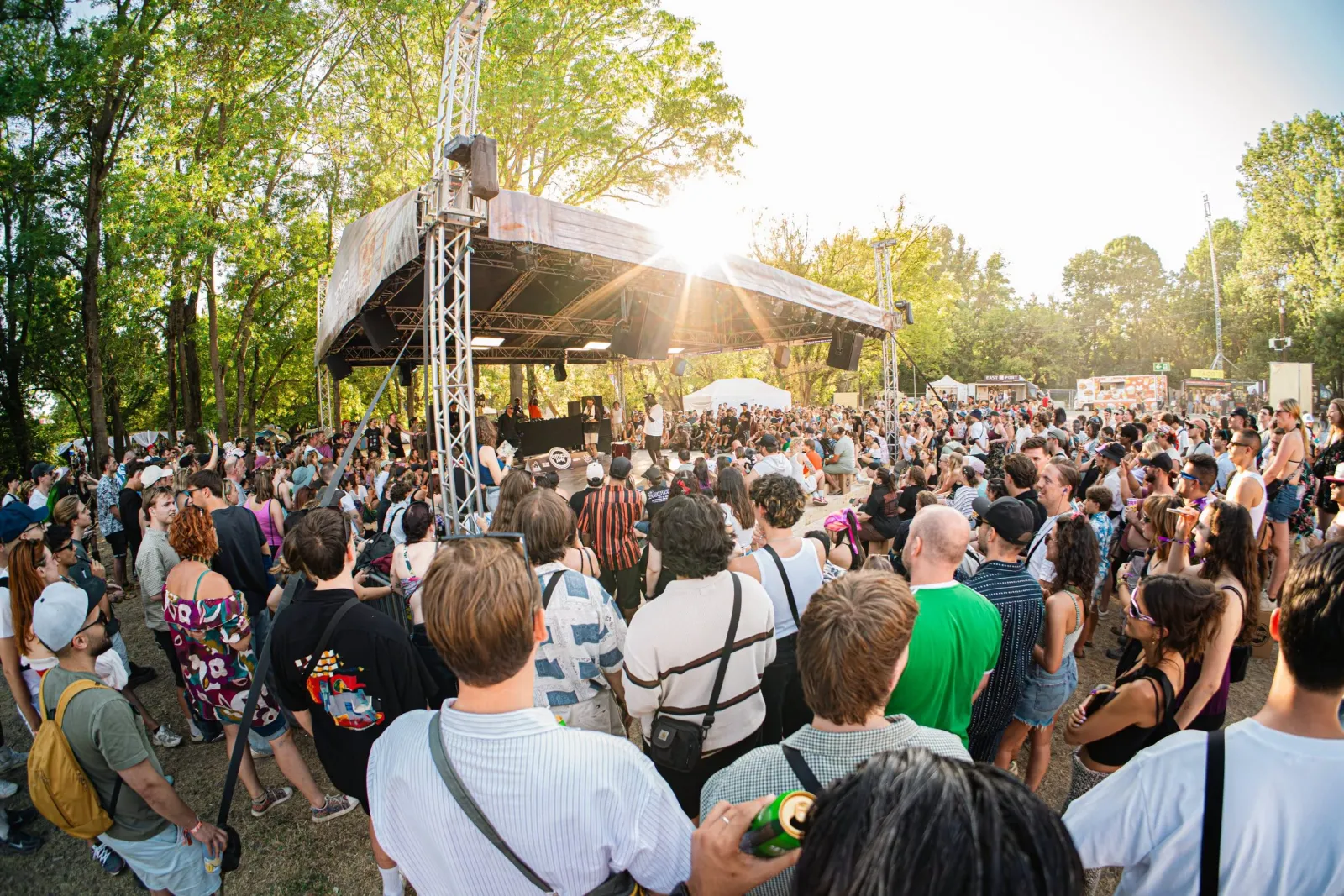
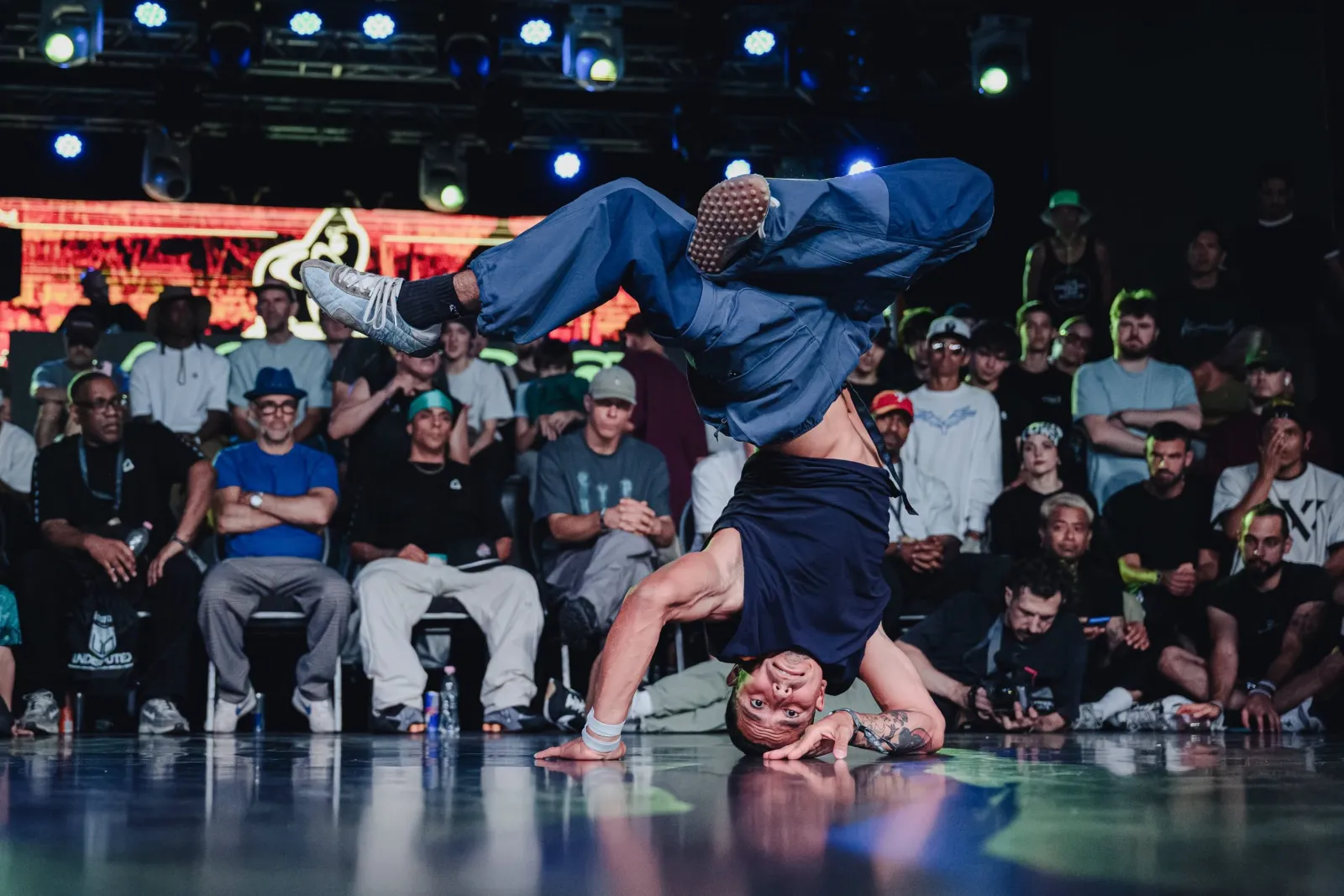
Born in the Bronx. Raised by the world.
Hip-hop is more than music or dance. It is a global cultural movement that started in the recreation room of a New York apartment building and today gives millions of people a voice, a community and an identity – across generations and borders.
A party in the Bronx, 11 August 1973
In the early 1970s the South Bronx was one of the most neglected parts of New York: poverty, burned-out buildings, gangs and very few chances for young people. Out of that environment came something completely new – built from almost nothing but creativity.
In the recreation room of 1520 Sedgwick Avenue, Cindy Campbell threw a “Back to School” party to raise money for new school clothes. Her brother, DJ Kool Herc, played the music. That night is celebrated as the birthday of hip-hop.
DJ Kool Herc and the discovery of the “break”
Kool Herc (born Clive Campbell) grew up in Jamaica and brought its sound-system culture with him to the Bronx: huge speakers, reading the crowd and shouting out to people on the mic.
He noticed the dancers went wildest during the instrumental, drum-heavy part of a song – the “break”. So he put two copies of the same record on two turntables and switched between them to play the break again and again. He called it the “merry-go-round”. The dancers who went off on those breaks were the break-boys and break-girls – the b-boys and b-girls who gave breaking its name.
Press play and watch how Herc switches between the two records so the break never ends.
The pioneers who built the culture
Hip-hop wasn’t invented by one person. Party organisers, DJs, MCs, dancers and graffiti writers built it together, one block party at a time.
She planned the 1973 party and came up with the whole night. Without her there is no first jam.
Herc’s friend on the mic, hyping the crowd with shout-outs and rhymes – the seed of MCing and rap.
Made switching and cutting between records precise (his “Quick Mix Theory”), turning the turntables into an instrument.
Credited with discovering the scratch – the rhythmic sound of moving the record by hand.
Founded in 1973 by Afrika Bambaataa, it pushed “Peace, Love, Unity and Having Fun” instead of gang violence, and made knowledge part of the culture.
The kids who danced on the breaks – like the Rock Steady Crew, who later became world famous – created a whole new language of movement.
The elements of hip-hop
Four art forms held together by knowledge and community. Pick one!
DJing
With two turntables and a mixer, the DJ creates the pulse of the party: linking breaks, cutting, scratching and controlling the room.
Did you know? Hip-hop started behind the decks – the first stars were DJs, not rappers.
MCing / rap
The MC started as the host of the party, hyping the DJ and the crowd. That grew into rap: rhythmic words that tell stories and often carry a social message.
Did you know? MC stands for “Master of Ceremonies”.
Breaking
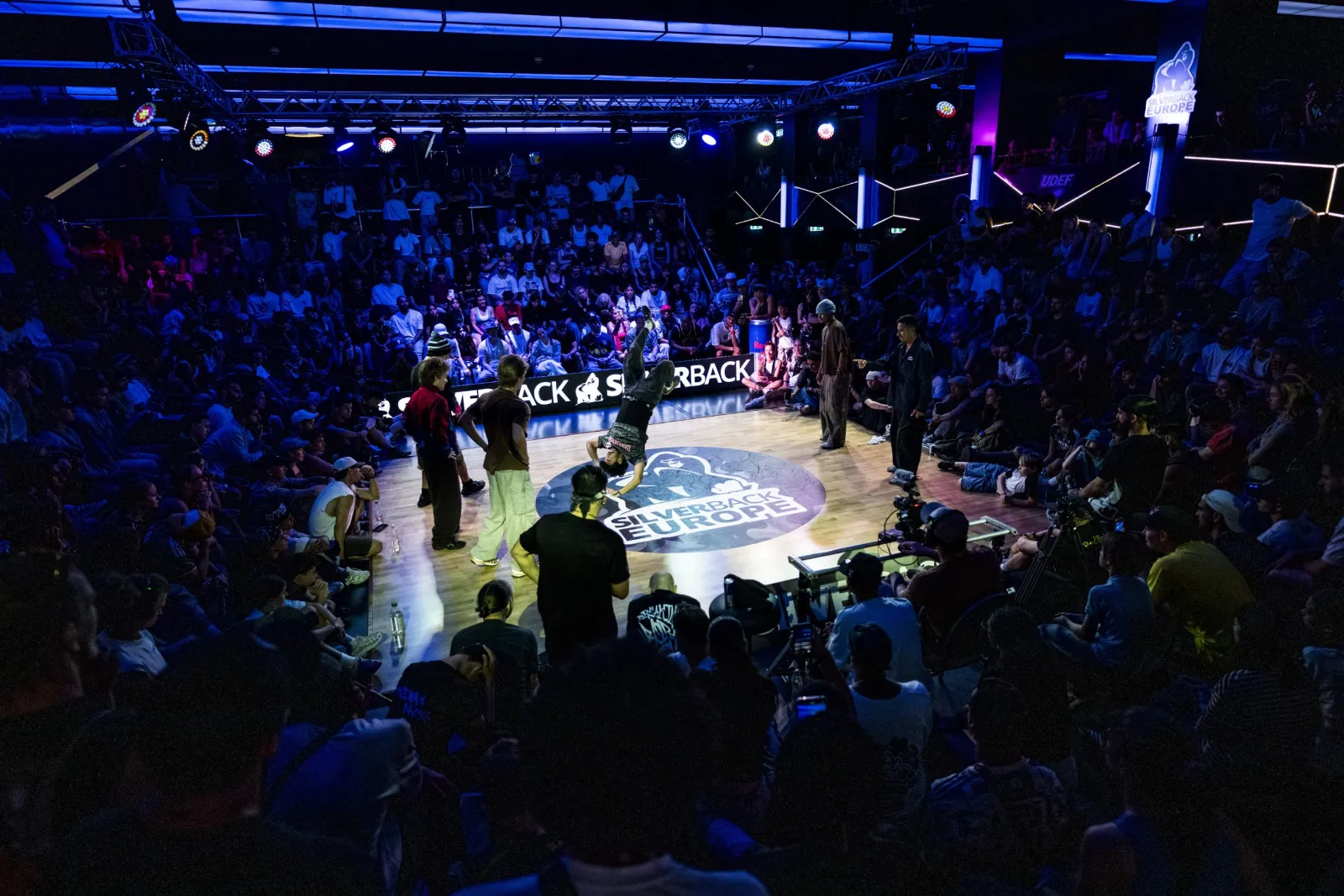
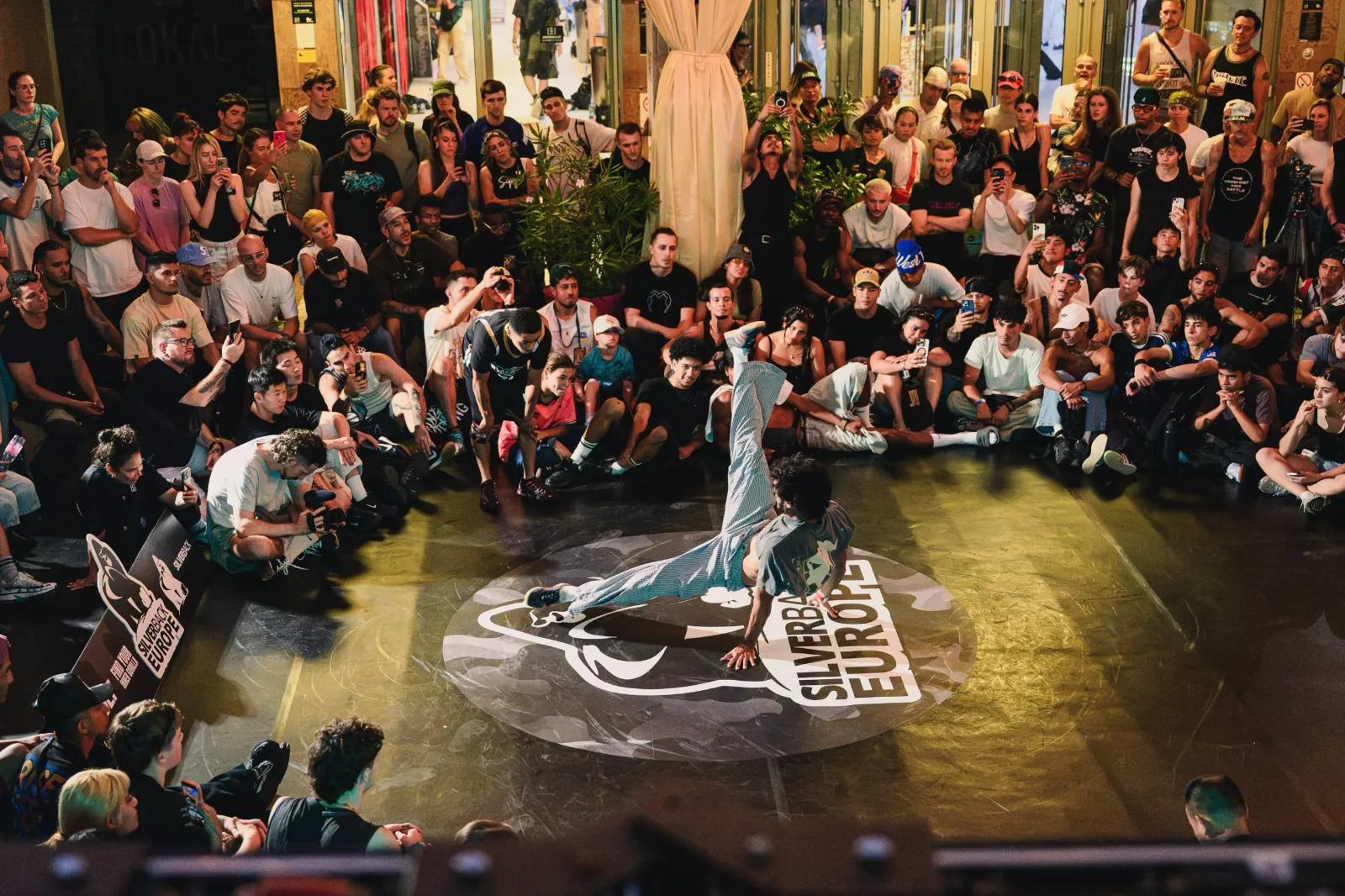
The dance born on the breaks: toprock on your feet, footwork on the floor, power moves and freezes. It is dance, sport and a conversation in the cypher at the same time.
Did you know? Breaking made its debut at the Olympic Games in Paris in 2024.
Graffiti
Writers put their names and styles on walls and subway trains, carrying their art across the whole city. It became the visual language of the culture.
Did you know? Painted subway cars worked like “moving galleries”, taking art from one neighbourhood to the next.
Knowledge
Knowing the roots, showing respect and living the values of the community: peace, love, unity and having fun. This is what makes hip-hop a culture, not just a style.
Did you know? “Each one, teach one” is a tradition that is still alive today.
From a Bronx party to a global culture
- Early 1970sMoving galleries
Graffiti writers paint New York’s subway trains – their names travel across the city.
- 1973The birthday
11 August: DJ Kool Herc plays at 1520 Sedgwick Avenue – hip-hop is born.
- 1973Universal Zulu Nation
Community instead of gangs: peace, love, unity and having fun.
- 1977Rock Steady Crew
The crew that would become breaking’s world ambassadors forms in the Bronx.
- 1979The first rap hit
“Rapper’s Delight” by the Sugarhill Gang takes rap onto radios around the world.
- 1982“The Message”
Grandmaster Flash & the Furious Five show that rap can tell the truth about real life.
- 1983–84The world takes notice
The films Wild Style, Style Wars and Beat Street carry the culture to Europe and beyond.
- 1990Battle of the Year
One of the first big international breaking competitions starts in Germany.
- 202350 years of hip-hop
The culture’s 50th birthday is celebrated all over the world.
- 2024The Olympics
Breaking debuts at the Olympic Games in Paris.
- TodayBudapest
Cypher Town and Silverback Europe keep the cypher alive – right here in Hungary.
← Swipe or scroll sideways →
Why hip-hop matters all over the world
Today hip-hop lives on the streets, in the schools and on the stages of almost every country. Here is why it connects so many people:
Even to those who aren’t heard anywhere else – in their own words and their own moves.
A cypher is a circle: everyone can step in, and everyone watches out for each other.
There is no single right style – you have to find your own.
A crew, a name, a style: a place where you belong.
It builds art, movement and friendships across borders.
Why we must keep hip-hop culture alive
What started in a Bronx recreation room is now the heritage of generations. It’s up to us to pass on its real values to the next generation – not just the surface.
Know where it comes from: the Bronx, 1973, rec rooms and block parties.
Say their names and pass their stories on.
In classes, at events and in the cypher – each one, teach one.
Peace, love, unity and having fun – behind every battle and every spotlight.
“Each one, teach one.”